
Manifesto: Common Mistakes in Social Media Marketing
Martin Dráb
What is it that causes Czech brands to often not achieve the expected results in communication on social media, even though they invest a lot in it? How much content and advertising is effective, and how can that be determined? What does building loyalty lead to, and how does organic reach work? Which popular metric buries the effectiveness of communication, and why do many content strategies stem from erroneous assumptions?
How do we proceed?
We build on evidence-based marketing. We draw from the insights of Ehrenberg-Bass Institute, the theory of marketing effectiveness by Les Binet, Peter Field, and the theory of brand elements by Jenny Romaniuk.
Problem
Brands create and publish unnecessarily too much and too often
Brands often publish a large amount of content on social media out of fear of ad repetition. Research titled Do Ads Wear Out? shows that this concern is unfounded. Effective ads that emotionally resonate with users remain effective in the long term.
Strategic change
Instead of focusing on the quantity of content, focus on quality and emotions. This approach increases the likelihood that the ad will be noticed and remembered.
Action steps
Quality over quantity
Reduce the amount of content and focus on its quality. An emotionally strong post is more effective than several average ones.
Research and testing
If you have a concept with a relevant message, consider extending or making slight adjustments rather than a complete replacement.
Problem
Brands build loyalty and create a community
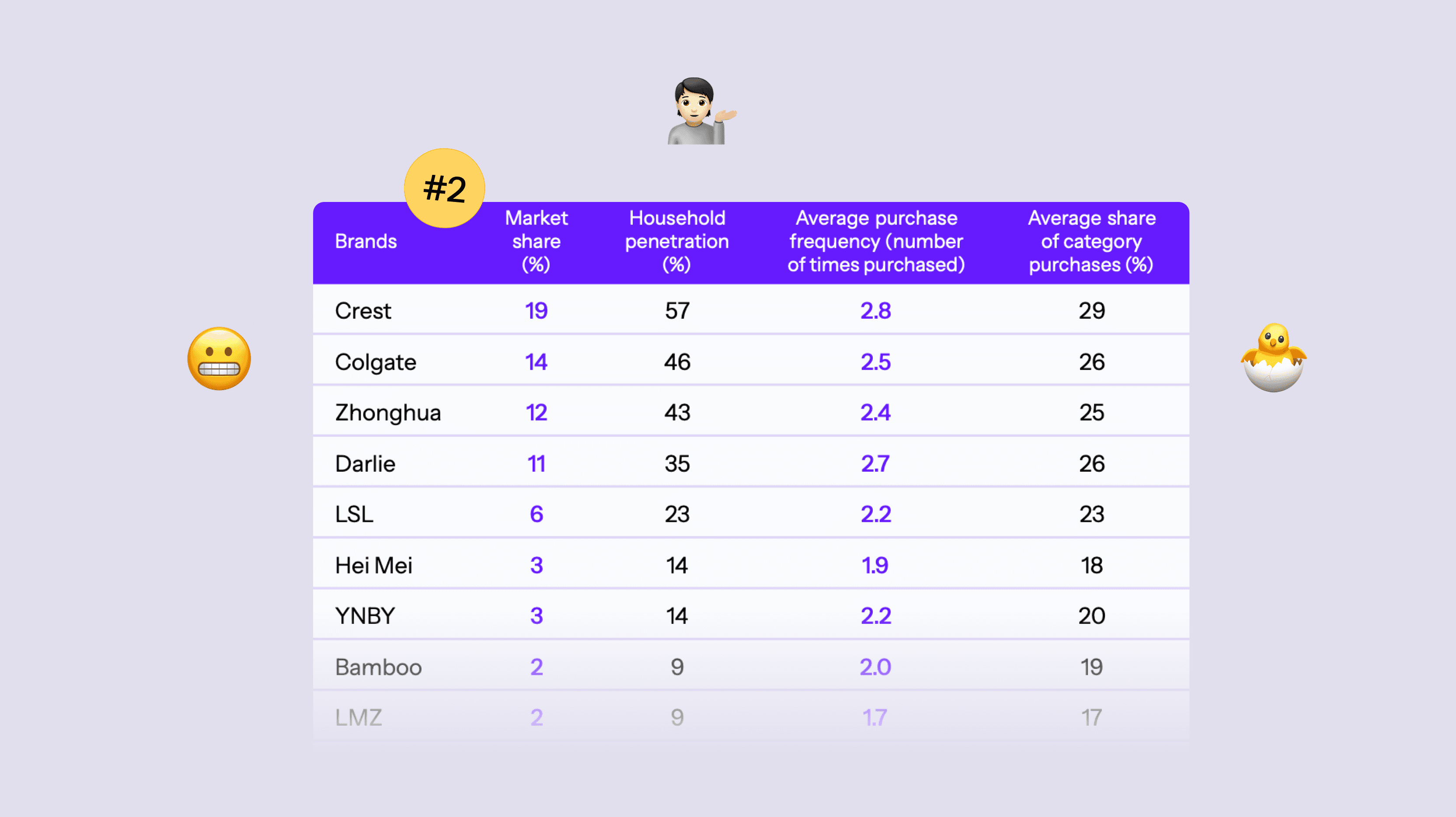
Many brands focus on building loyalty among existing fans. They believe it's cheaper to retain an existing customer than to acquire a new one. However, marketing communication does not significantly increase loyalty and is proportional to market share.
Strategic change
Focus on broad targeting and maximize reach beyond existing customers. Most revenues come from occasional customers who also shop with competitors. Don't spend on loyalty programs.
Action steps
Broad targeting
Campaigns should reach as wide an audience as possible.
Frequency and repetition
Ensure that your brand is visible and memorable.

Problem
Brands rely on organic reach
Organic reach on social media is negligible, hindering effective communication without paid support. Social media algorithms usually do not favor content from brands.
Strategic change
Each post should be supported by paid promotion to reach a large portion of the target audience and prevent resource waste.
Action steps
Paid support
Account for a budget for paid promotion with each post.
Reach analysis
Use data from paid ads to evaluate communication effectiveness.

Problem
Lack of branding and brand codes
Many brands inconsistently communicate distinctive brand elements, leading to their unrecognizability. The absence of these elements can cause the audience to forget the brand.
Strategic change
Ensure that your brand codes are unique and distinctive. Consistently use them in all posts, which strengthens brand identity.
Action steps
Define your brand codes
Identify and create guidelines for using key brand elements.
Consistent use
Ensure that each post contains defined brand codes.
Problem
Brands optimize for engagement
Many brands focus on engagement metrics that are not relevant for measuring the effectiveness of marketing communication. Engagement metrics do not correlate with ad recall or purchase decision-making.
Strategic change
Do not optimize campaigns for engagement, but for awareness and reach. Set up campaigns with the goal of maximizing reach and website traffic.
Action steps
Review goals and KPIs
Focus on metrics like the number of views and unique reach.
Problem
Brands do not know their Category Entry Points
Many brands create content strategies without considering their Category Entry Points (CEPs), which reduces the brand's mental availability.
Strategic change
Create campaigns and content themes only after identifying CEPs for your market segment. Define which CEPs you have greater potential in than your competitors, and based on that, develop your content strategy. High brand awareness is just part of the success, and if a brand doesn't connect with CEPs, its mental availability will be poor.
Action steps
Identify CEPs
Explore situations in which consumers consider your product category.
Build mental availability
Create content related to CEPs and communicate it regularly.


 Download our presentation