
Strategy Manifesto
Martin Dráb
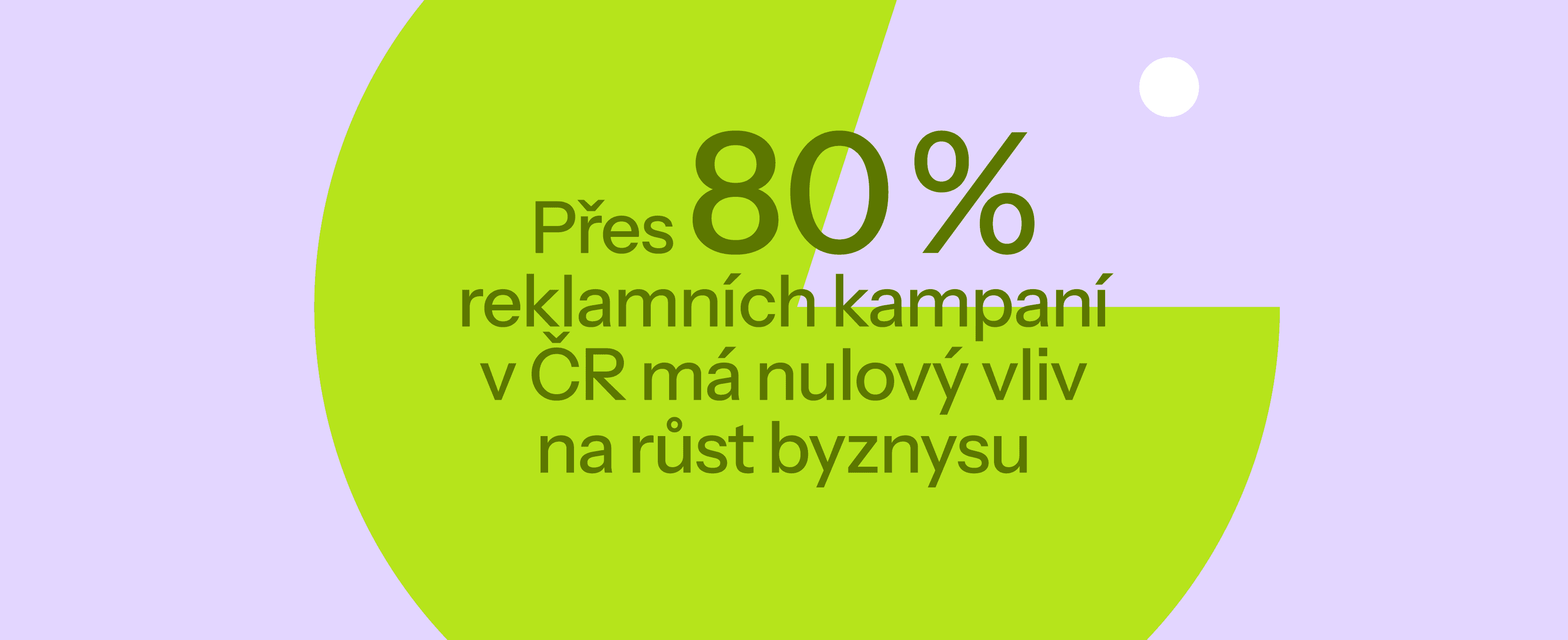
European brands invest billions of € every year in market segmentation, creating marketing personas, brand positioning, and the pursuit of brand purpose. Nevertheless, according to data, over 80% of advertising campaigns in the Czech Republic have no impact on business growth, and only about half of the campaigns manage to meet even basic goals, such as increasing brand awareness or enhancing purchase consideration.
Maybe it’s time to admit an unpleasant truth: many marketing principles lack support in the real world. For decades, textbooks have drilled into our heads a strategy model based on segmentation, targeting, and positioning (Kotler's STP model). This promised that if you choose a narrow target segment, get to know it perfectly, and distinguish yourself with unique value, you will gain loyal customers and avoid competing with others. However, data from the past decades, primarily due to the work of the Ehrenberg-Bass Institute, suggests that this approach has been a big mistake from the start.
Why Traditional Strategies Don't Drive Growth
In the past, companies could grow despite these myths - the market was less competitive. Today, however, research reveals the true picture of the market:
Customers are not loyal to one brand: The average Czech consumer buys three different brands in one category (Kantar 2024) and 65% of customers regularly switch brands, even though they claim to be satisfied with their favorite brand (GfK 2024).
Brands are more like borrowing customers: Across categories, the so-called Duplication of Purchase Law applies – brand customer bases overlap. Those with a larger market share inevitably share more customers with smaller competitors (and vice versa).
Smaller brands face double trouble: Big brands tend to have slightly higher customer loyalty, while small brands suffer from the Double Jeopardy effect - they not only have fewer customers but also lower loyalty. According to old theories, loyalty should be a reward for how well a brand meets the needs of a narrow segment. In reality, the larger the brand (the broader its customer base), the slightly more loyal its customers tend to be. Simply put: you can't buy loyalty through super positioning – you mainly gain it by having a lot of customers.
Consumers often don't perceive differences between brands: Repeated surveys show that even long-term customers view their favorite brand only slightly differently than other competing brands. It's not uncommon for 90% of users to label all brands in the category as similar. The celebrated uniqueness exists more in corporate presentations than in customers' minds.

Market shares are surprisingly stable: Even in dynamic sectors, brand shares change very gradually. Usually, no minor change in the marketing mix turns the market upside down. Often, there isn’t even an ideal secret recipe for winning - and when someone discovers it, the competition quickly copies it.
In a Nutshell
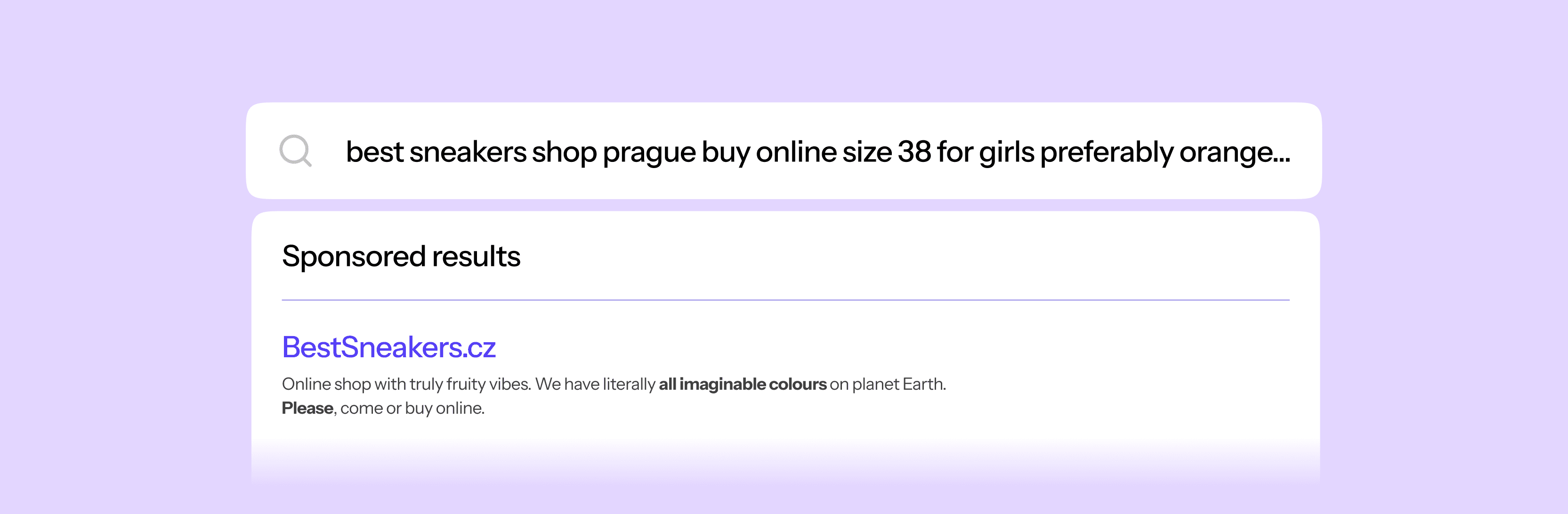
Relying on dazzling a small, perfectly targeted group of customers and thus avoiding competitive battles is a naive wish. The real market is a battlefield where brands compete for customers, and the one that wins is the one that strikes first – in the customer's mind and at the sales counter (or in a paid position in the search engine).
Don’t Let Marketing Myths Lull You to Sleep
A number of popular myths and frameworks have accumulated around the traditional STP model, promising success through smarter ways. Who hasn't heard terms like lovebrand, brand archetypes, brand purpose, or micro-targeting and personalization? These concepts sound appealing and can be useful in creative searching or brand shaping. The problem arises when you rely on them as a growth engine.
The reality is unforgiving: even the most loyal customers don't only buy from one brand. Even a customer who likes you may sometimes cheat on you and turn to the competition – because they have a discount or it's simply convenient. Similarly, only a small fraction of people buy according to a brand's lofty mission; the vast majority will reach for what is available and familiar. And hyper-personalized campaigns? They may squeeze the maximum from a few individuals who want to buy right now, but in doing so, they miss hundreds of other potential customers who have never heard of your brand.
There is no magic shortcut instead of building a broad customer base honestly.
What Really Works? Mental and Physical Availability
Mental Availability: Being Top of Mind
The key to brand growth isn't that people see you as completely unique. The key is that they remember you at the moment of purchase decision-making. We call this mental availability – the likelihood that a customer will recall your brand when they have a need or desire to buy in that category. It's not just about general awareness, but about how many different situations people associate your brand with as a possible choice. The more typical moments (category entry points) people associate with your brand, the higher the chance that they will choose you at the moment of purchase.
Building mental availability requires long-term, consistent communication. It helps to consistently utilize recognizable elements of your brand – unmistakable colors, logo, character, melody, slogan… anything that sticks in people's minds and immediately leads them to your brand. These distinctive brand assets need to be repeated so persistently that they become a well-known signal to the audience: a mere glance or hearing associates them with your company, even if they don’t see the name. It is essential to constantly remind people of the same symbols and not to change them at the first opportunity – only then will customers truly memorize them.
Market Data: Most purchasing decisions are made in an instant right at the shelf or on the e-shop. A POPAI CE study found that 82% of customers do not have a specific brand in mind before they enter a store – they decide based on what catches their eye. Therefore, brands that are “top of mind” in people's heads (the first that come to mind) gain an advantage and a larger market share than those that virtually do not exist in consumers’ minds.

Physical Availability: Being Available Anytime
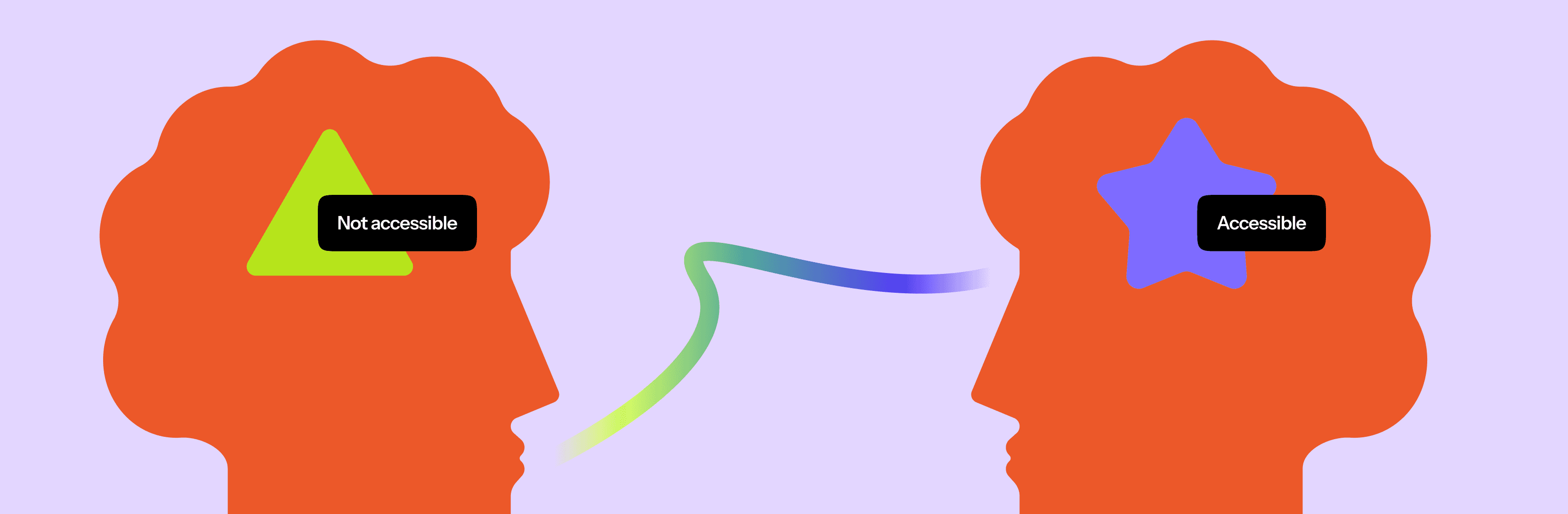
Hand in hand with the mental aspect goes physical availability - how easily people can actually buy your product. Once a customer recalls a brand, it is crucial that they can easily find it when they are shopping. Physical availability includes everything from the breadth of the distribution network (how many stores, e-shops, or pickup points you are offered) to sufficient stock levels to pricing strategy and shopping convenience (speed of delivery, simplicity of ordering, etc.).
Even the best communication is useless if the customer cannot find your product at the crucial moment or if it is complicated for them to obtain it. If you have great advertising and people know about you, but the goods are nowhere at hand, you will simply lose part of the potential business (and it will be snatched by someone more accessible).
The Data Clearly Indicates: The broader the market coverage a brand has, the more it sells. According to GfK, 65% of customers will switch to a competitor if their preferred brand is not currently available.
To grow, you must be visible and accessible. At the moment a customer decides to buy, your brand must be easy to find (ideally as the first choice in both mind and cart).
Ready to Grow Based on Evidence-Based Marketing?
Market segmentation, personas, archetypes, or brand purpose do not necessarily have to be completely disregarded. They have their supplementary significance. The problem is that they are often ascribed a much larger role than they actually play in brand growth.
Evidence-based marketing shows that the path to growth leads elsewhere: through increasing mental and physical availability. Those who want to truly strengthen their brand should focus their efforts there – to be the first that people think of and always within reach.


 Download our presentation